
“We battle for freedom. In the expressions of Ruler Krishna, we will, assuming that we are triumphant, partake in the products of triumph”
Rani Lakshmibai (19 November 1828-18 June 1858) broadly known as ‘Jhansi ki Rani’ was the Sovereign of the Maratha controlled royal territory of Jhansi in North India (as of now present in Jhansi locale in Uttar Pradesh, India) and a head of the Indian Rebellion of 1857-58. Initially named as Manikarnika she was brought into the world to a Maharashtrian Brahmin family. She had a typical childhood and was more free in her experience growing up than others of her age. In the Pasha’s court, she was prepared in sport shooting, fencing, combative techniques, horsemanship, and sword battling.
At 14 years old, she was hitched to Maharaja Gangadhar Rao Nawalkar-the Ruler of Jhansi, and was given the name Lakshmibai. Post marriage she brought forth a child however tragically, the youngster didn’t endure more than our month, after the fact the couple took on kid and was named Damodar Rao. According to the Hindu practice, he was their lawful successor. After the demise of Maharaja Master Dalhousie, the English lead representative general of India wouldn’t perceive the embraced beneficiary and applied the ‘Tenet of Slip by’, adding the state to its domains. She was conceded a yearly benefits of Rs. 60,000 and requested to leave the Jhansi post; nonetheless, she was resolved not to leave her domain of Jhansi and fortified its safeguard.
“I will not give up my Jhansi.”
- Try 72201X Exam Dumps for Swift 72201X Exam Success
- Finding Finest Source? Try C_TS4CO_2021 Exam Dumps
- Prep SAP Certification With E_S4HCON2022 Exam Dumps
- Get C_THR92_2211 Exam Dumps for Rapid C_THR92_2211 Exam Success
- Finding Best Source? Try C_SRM_72 Exam Dumps
- Quick Preparation With C_BYD01_1811 Exam Dumps
- Prep SAP Certification With C_S4FCF_2020 Exam Dumps
- Get C_THR83_2211 Exam Dumps for Quick C_THR83_2211 Exam Success
- Try 1Z0-931-23 Exam Dumps for Fast 1Z0-931-23 Exam Success
- Get ISO-IEC-27001-Lead-Implementer Exam Dumps for Easy Success
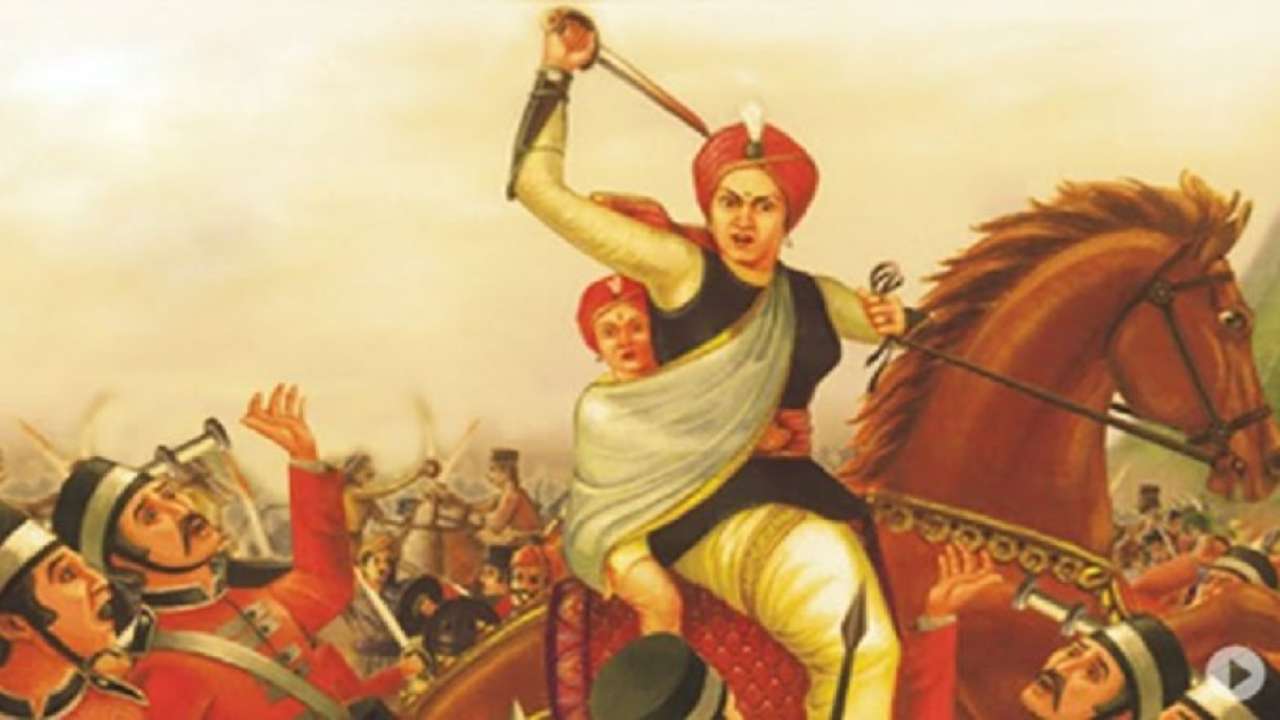
She collected a multitude of uprisings, where ladies were additionally given military preparation. After the brutal long conflict when the English armed force entered Jhansi, Lakshmibai attached her child Damodar Rao to her back and battled courageously involving two blades in two hands. Sadly, Jhansi was blockaded however Rani disappeared to Kalpi where she joined other revolutionary powers including those of Tatya Tope. She withdrew to Gwalior and walked east to stand up to an English counter-assault drove by Broad Rose where this extraordinary champion martyred her life for Indian opportunity. She accepted, “On the off chance that crushed and killed on the field of fight, we will certainly acquire everlasting magnificence and salvation”
Life illustration Quit playing the casualty game. After the passing of her significant other, Rani never played casualty cards or accused another person or her concerns. They never feel frustrated about themselves nor do they need any compassion or backing from others. They assume responsibility for the circumstance, lead from the front as a visual demonstration; look for help from others not to tackle their concerns yet address the issues of the whole local area at large. They are quiet, formed, patient, confident person, and loaded with positive energy. They continue to move and are rarely caught previously or pursue choices in view of disappointments.
 Scienology
Leave a comment